
Infrastructure
Anne Arundel County offers modern infrastructure that supports business growth, connectivity, and long-term investment. Its multi-modal transportation network, reliable energy systems, and advanced fiber connectivity provide companies with the foundation to operate efficiently and scale.
Located in central Maryland, the county offers direct access to major East Coast markets via highways, rail, and Interstate 95. It is home to BWI Thurgood Marshall Airport and sits just five miles from the Port of Baltimore, positioning businesses for seamless regional and global access.

A Vast Commercial Transportation Network
Businesses can reach approximately a third of the United States from Anne Arundel County within 24 hours by road and can easily reach the rest of the world through easy and immediate access to shipping by air, rail, and sea.
By Road
- North (to Baltimore) & South (to Virginia) via Interstates 95 & 97
- East (to the Eastern Shore) & West (to Washington D.C.) via Route 50/301
- Fort Meade & Arundel Mills Entertainment District via Maryland Routes 32 & 100
By Air
Located in northern Anne Arundel County, Baltimore/Washington International (BWI) Thurgood Marshall Airport is one of the nation’s busiest airports in terms of both passengers and cargo.
BWI is the largest airport serving the Baltimore–Washington Metropolitan Area by passenger count, serving more than 27 million travelers in 2024 and offering over 600 U.S. and international flights each day. It is also well connected, offering travelers easy access to and from Annapolis, Baltimore, and Washington, DC by road, rail service, and airport shuttle.
Handling more than 527 million pounds of cargo in 2024, BWI Thurgood Marshall Airport serves as a key cargo hub for the region. Its 395,000-square-foot Air Cargo Center features a 60,000-square-foot cargo building, a Foreign-Trade Zone, a 17-acre ramp, and parking for 17 aircraft.
By Rail
The BWI Rail Station provides easy access to modern, high-tech freight rail connections to the U.S. interior, Canada, and Mexico via two trusted Class I carriers, CSX Transportation and Norfolk Southern Railway.
By Sea
A 1,734-acre Foreign-Trade Zone, the Port of Baltimore is the closest Atlantic seaport to the Midwest and a leading U.S. automobile and break-bulk port. It is served by two major railroads and has immediate access to the Eastern Seaboard and the Midwest via major interstate highways.
A Pro-Workforce Transit Network
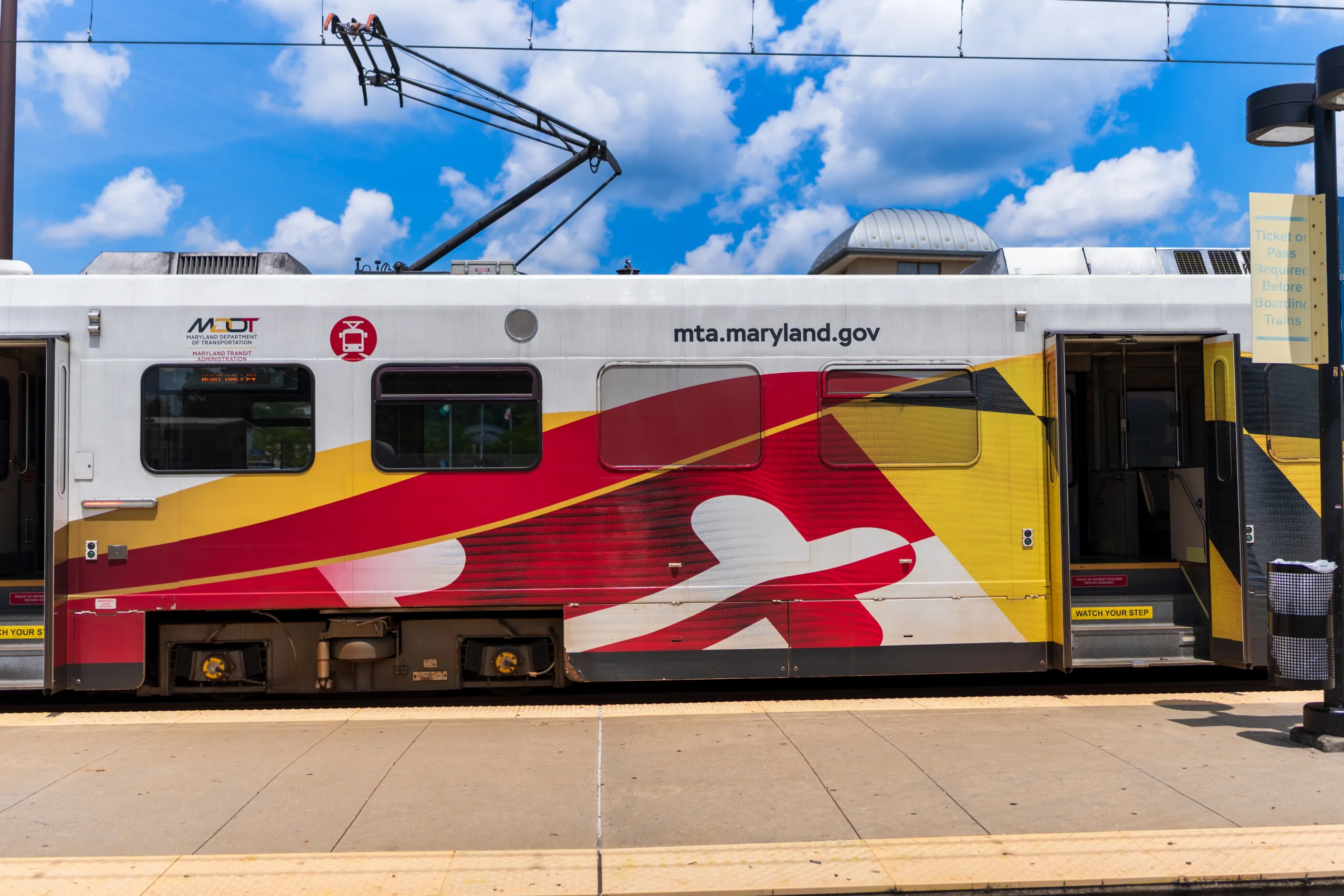
Anne Arundel County’s fare-free transit network supports economic growth by connecting residents, workers, and visitors to jobs, businesses, and key destinations. With fixed routes, on-demand services like Call-N-Ride, and regional connections to MTA, MARC, and WMATA, the system ensures access to workforce and customers. Strong links to BWI Airport, major highways, and transit hubs enhance mobility and make the county an attractive place to grow and invest.
Reliable, Scalable Energy for Business Growth
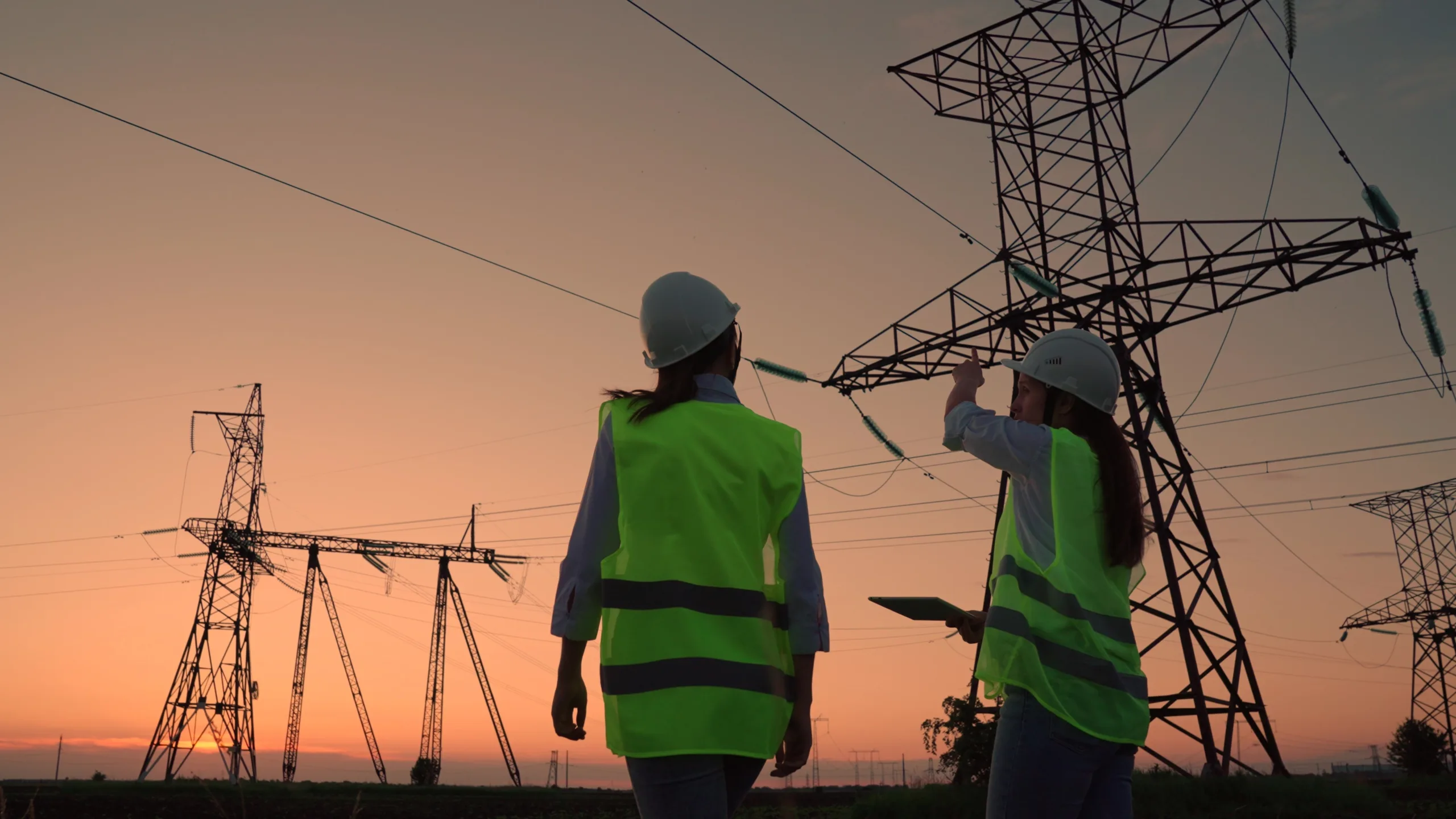
Anne Arundel County is served by Baltimore Gas and Electric Company (BGE), a leading provider of reliable electrical and natural gas services across central Maryland.
BGE, an Exelon company, serves more than 1.3 million electric and 700,000 natural gas customers across a 2,300-square-mile region, including Anne Arundel County. With over 200 years of service, BGE is committed to safety, reliability, and innovation.
Its extensive infrastructure with over 26,000 miles of electric distribution lines, 1,300 miles of transmission lines, and 7,600 miles of natural gas pipelines, supports consistent energy delivery and helps power business growth across the county.
Advanced Fiber & Connectivity
Anne Arundel County is supported by a strong network of fiber providers delivering high-speed, reliable connectivity for businesses, government, and technology-driven industries.
With proximity to key hubs like Fort Meade, the county offers low-latency connections ideal for cybersecurity, IT, and mission-critical operations. Providers include Verizon, AT&T, Lumen (CenturyLink), Zayo, and other regional carriers, ensuring scalable and redundant infrastructure.